

CMA moves to break Apple and Google’s grip on UK app stores
The UK competition watchdog is consulting on new rules that could drive down prices for millions of UK consumers by opening up app store payments.
The Competition and Markets Authority has launched a consultation on new requirements for Apple and Google that could fundamentally change how UK consumers pay for apps and in-app purchases.
The regulator says both companies operate an “effective duopoly” with at least 90% of UK mobile devices running on their platforms. It is now consulting on lifting restrictions that currently prevent app developers from directing users to alternative payment methods outside Apple and Google’s app stores – a practice known as steering.
Will Hayter, executive director for digital markets at the CMA, said:
“We think it is important to give both app developers and users more choice about how they communicate and how they transact. This is not only because choice is inherently valuable but also because we see this as the best way to introduce some competitive pressure in a vital part of the mobile ecosystem that is otherwise sorely lacking such pressure.”
Sign up to Consumer Voice to stay informed about your consumer rights.
How app store payment restrictions affect UK consumers
Currently, Apple bans steering entirely and Google restricts it in the UK. This means apps like Spotify cannot direct users to sign up via their own website to avoid paying Apple and Google commissions of up to 30% on in-app purchases. Instead, consumers either pay higher prices to cover those fees or have to find workarounds themselves.
The CMA’s consultation proposes lifting those restrictions, which it says would allow developers to bypass mandatory platform fees – with any savings passed on to UK consumers or reinvested into innovation. Apple and Google would still be allowed to charge fees for steering, but the CMA says those charges must be fair, reasonable and justified through an evidence-based framework.
Apple has pushed back, saying steering changes “undermine protections for users and open the door to scams and circumventing parental controls.” A spokesperson said: “When users are directed away from Apple’s trusted payment infrastructure, they lose the protections they rely on Apple to provide.”
Google said it had already made the required changes, including allowing developers to steer users outside the Play Store to complete transactions, with new global terms coming into effect this week.
Apple’s NFC technology also under scrutiny
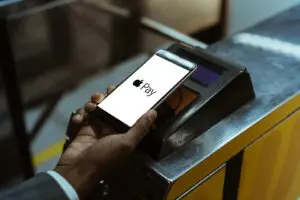
The CMA is also consulting on requiring Apple to open up access to its near-field communication (NFC) technology – the short-range wireless system that enables contactless payments. Currently, developers cannot access NFC functionality on iOS devices, which limits their ability to offer contactless payment services within their own apps.
Opening up NFC access could benefit UK fintechs and developers and unlock future payment methods including account-to-account payments, digital currencies and stablecoins, as well as non-financial uses such as digital ID and car keys. The CMA is seeking views on both the technical method of access and the price that should be charged for it.
What this means for ongoing Apple and Google compensation claims
The CMA is consulting on both of these proposals, with a response to feedback due later this year. Alongside this regulatory action sits a number of live consumer compensation claims against Apple and Google. If you are a UK consumer who uses an iPhone or has made purchases through the App Store or if you have used everyday banking or financial products in the UK, you may already be part of claims that could result in compensation.
The Tribunal has already ruled in favour of consumers in the Apple App Store claim, finding that Apple charged an unfair commission of up to 30% on app purchases and awarding £1.5 billion on behalf of 36 million UK consumers. Apple is appealing the decision and compensation cannot be paid until that process has concluded. The Google Play Store claim, which goes to trial in October 2026, alleges that around 20 million UK consumers were overcharged for apps and in-app purchases.
The Apple Pay claim alleges that an estimated 50 million consumers may have paid higher banking costs as a result of Apple’s restrictions on mobile payment services. The next stage for this claim is certification by the Competition Appeal Tribunal.
Sign up to Consumer Voice to stay informed on the latest consumer compensation claims.
Related claims
-
Apple Pay
Apple sued over Apple Pay practices that allegedly pushed up banking charges for 50 million consumers.
-
Amazon & Apple
Bought a new Apple or Beats product through Amazon in the UK? Find out if you’re included in the compensation claim and what you need to do.
-
Google Play Store Claim
Millions of UK Android users could be included in the Google Play Store claim – check what purchases count and whether you could be affected.