
CMA warns fuel retailers to pass on falling costs
Fuel prices have fallen but the competition watchdog says retailers remain too slow to pass on lower wholesale costs to drivers.
Petrol and diesel prices fell in June as wholesale costs came down, but pump prices remained significantly above the levels seen before the conflict in the Middle East began, according to the Competition and Markets Authority’s (CMA) latest monitoring report.
The CMA said it found no evidence that fuel retailers changed their pricing strategies to take advantage of the crisis. However, it remains concerned that most retailers continue to follow competitors’ prices rather than actively competing to cut them – an approach known as “passive pricing,” which the CMA says is contributing to persistently high margins.
Sarah Cardell, chief executive of the CMA, said:
“We know prices at the pump are putting real pressure on drivers’ pockets and our monitoring plays an important role in giving drivers confidence that retailers are not taking advantage of the conflict in the Middle East.”
Sign up to Consumer Voice for useful updates on your rights, your money and ways to get back what you’re owed.
Why fuel margins are still a concern
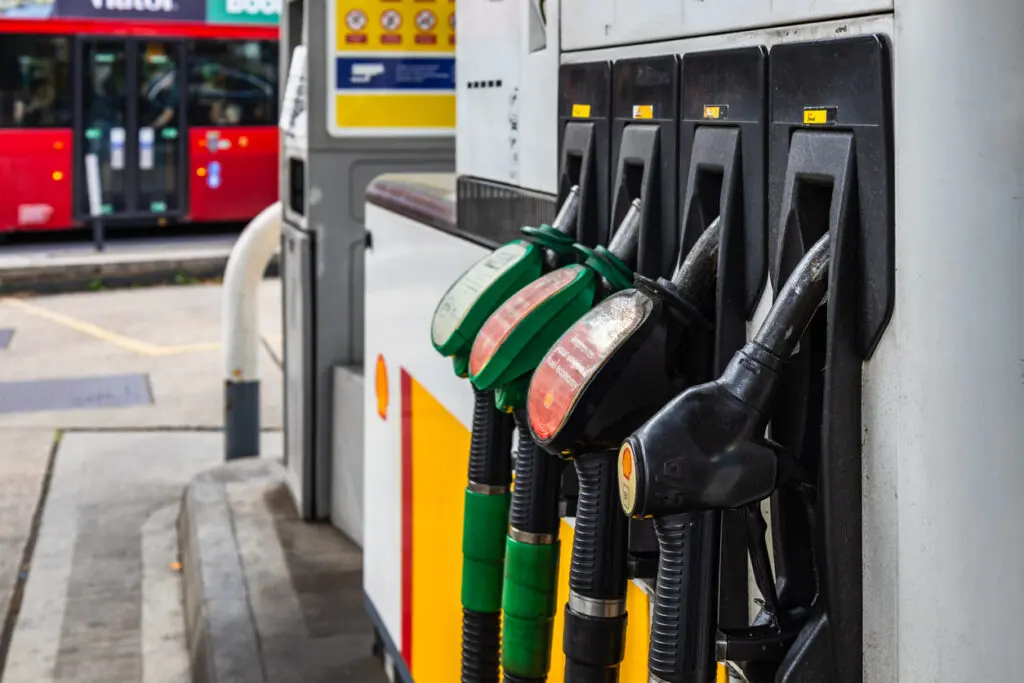
Margins are the difference between what a fuel retailer pays for petrol or diesel and what it charges drivers at the pump. The CMA found that some retailers did not immediately pass on falls in wholesale diesel prices to drivers. If one retailer cuts its prices quickly, that can put pressure on nearby competitors to follow – so delays can help keep prices and margins higher for longer.
The CMA plans a more detailed review this autumn, looking specifically at how quickly wholesale price changes reach drivers, retailers’ pricing strategies and why fuel prices can vary so much between different parts of the country.
How to use Fuel Finder to get a better price
Fuel Finder is a government scheme that makes live petrol and diesell prices available to comparison websites, apps and other services, making it easier to check nearby prices before you fill up.
The scheme now covers around 97% of UK petrol stations, accounting for an estimated 99% of all fuel sold in the country, so most drivers should be able to find up-to-date prices for stations near them. The CMA says the more people use Fuel Finder-backed apps and websites, the more effective the scheme can be at increasing competition and putting downward pressure on prices over time.
If you regularly fill up at the same station out of habit, it’s worth checking a Fuel Finder-based app before your next visit, particularly before a longer or unfamiliar journey. Prices can vary noticeably even between stations that are only a short distance apart.
How the CMA plans to keep fuel retailers in check
The CMA says it will continue monitoring prices and margins closely, with a more detailed report due in the autumn covering retailers’ pricing strategies and how quickly falls in wholesale costs are passed on to drivers..
Since the grace period for registering with Fuel Finder ended in April, the CMA has sent 1,166 letters to retailers and issued compliance notices in respect of 53 sites, though it says most registration issues are resolved quickly once it makes contact. So far, it has not needed to impose any financial penalties.
Sign up to Consumer Voice for useful updates on your rights, your money and ways to get back what you’re owed.