

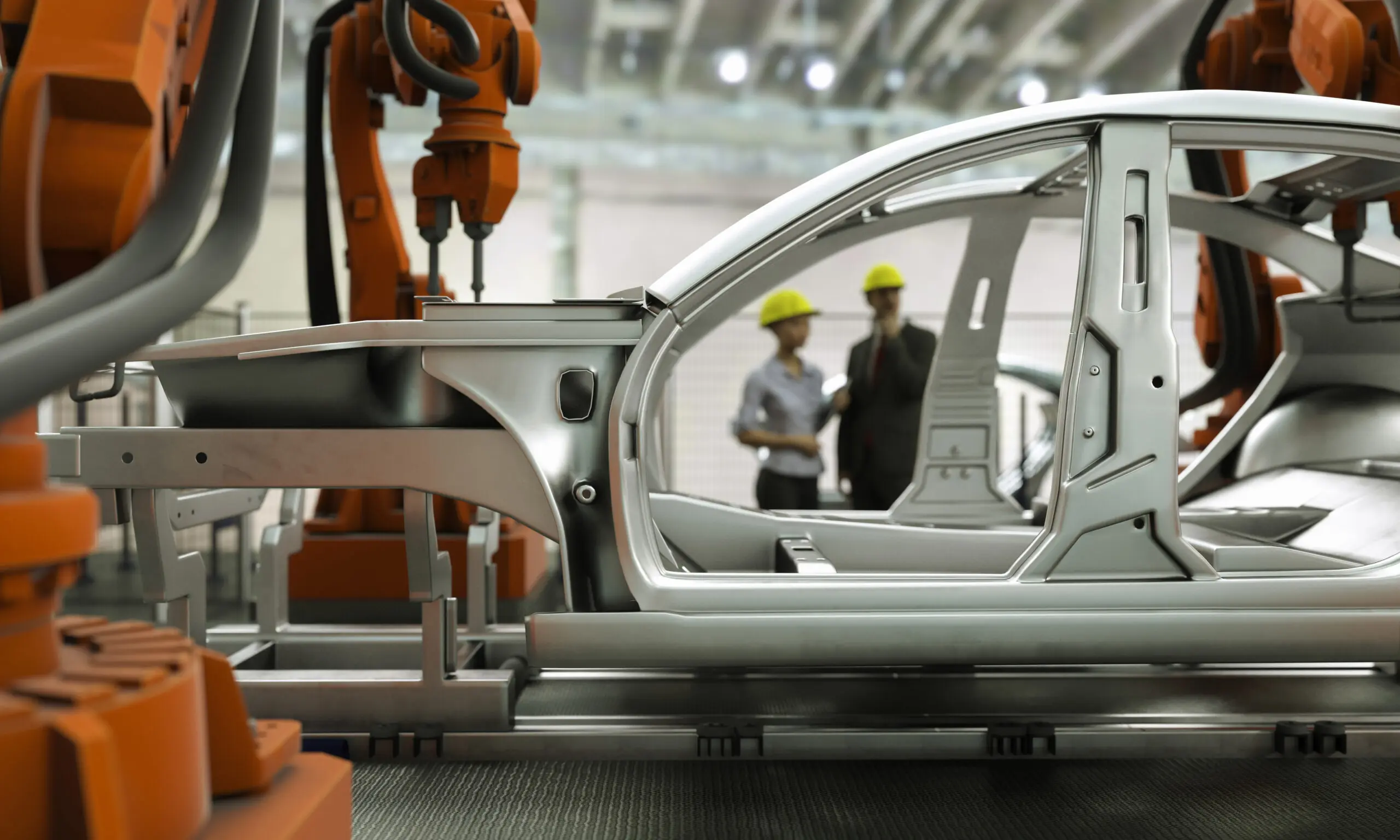
Top car brands fined £78 million over UK competition law breach
Carmakers and trade bodies illegally collude in misleading ads and recycling scandal
A group of major car manufacturers has been fined a total of £77.7 million after admitting to breaking UK competition laws.
The Competition and Markets Authority (CMA) found that 10 leading car brands, including BMW, Ford, Toyota, and Volkswagen, along with two trade bodies, illegally colluded in advertising and recycling practices.
Lucilia Falsarella Pereira, senior director of competition enforcement at the CMA, said:
‘Agreeing with competitors the prices you’ll pay for a service or colluding to restrict competition is illegal and this can extend to how you advertise your products.
‘This kind of collusion can limit consumers’ ability to make informed choices and lower the incentive for companies to invest in new initiatives.
‘We recognise that competing businesses may want to work together to help the environment, in those cases our door is open to help them do so.’
Most manufacturers took part in this practice from May 2002 to September 2017, with Jaguar Land Rover joining in September 2008.

What did the carmakers do wrong?
The CMA’s investigation revealed that these manufacturers secretly agreed not to compete in their advertising claims about vehicle recyclability. This meant consumers were misled about how environmentally friendly their cars really were.
Additionally, some companies formed a buyers’ cartel, refusing to pay fair rates to third-party firms for recycling old vehicles. This anti-competitive behaviour restricted fair pricing for recycling services and potentially harmed environmental progress.
Carmakers must offer their customers a free service for recycling their old or written off vehicles – known as end-of-life vehicles. This is a service that is typically outsourced to third-parties.
Which car brands were fined?
The following companies were involved in the illegal activity:
- BMW (£11.1 million)
- Ford (£18.5 million – highest fine)
- Jaguar Land Rover (4.6 million)
- Peugeot Citroen (£5.1 million)
- Mitsubishi (£898,531)
- Nissan and Renault (£10 million)
- Toyota (£4.5 million)
- Vauxhall and Opel (£2.1 million)
- Volkswagen (£14.8 million)
Two major trade bodies, the European Automobile Manufacturers’ Association (ACEA) and the Society of Motor Manufacturers & Traders (SMMT), also received fines for playing a role in facilitating these agreements.
One company, Mercedes-Benz, avoided fines by alerting authorities to the wrongdoing under the CMA’s leniency policy.
How were consumers misled?
The CMA found that all manufacturers illegally agreed to not advertise if their cars went above the minimum recyclability requirement of 85%. By preventing competition in advertising, these manufacturers denied consumers full transparency about:
- How recyclable their cars were compared to others.
- The amount of recycled material used in production.
- The true environmental impact of their vehicles.
Similarly, the buyers’ cartel prevented fair competition in the vehicle recycling industry, potentially slowing down advancements in greener recycling methods.
Carmaker fines and wider crackdown
The total fine of £77,688,917 is split among the companies. Some, including Peugeot Citroen and Mitsubishi, received reductions for cooperating with the investigation.
This is part of a wider crackdown on anti-competitive practices. The European Commission (EC) has also imposed penalties worth a combined €458 million (£383 million). Both the CMA and EC are taking a strong stance against illegal industry collusion while encouraging manufacturers to collaborate on green initiatives legally.
All fines must be paid by 2 June, 2025.
How to report illegal business practices
The CMA urges anyone with knowledge of illegal business practices to report them via:
FAQ: what you need to know
Why were car manufacturers fined £78m?
The CMA found that 10 major car brands colluded to mislead consumers about vehicle recyclability and restricted fair competition in recycling services.
Which car brands were fined?
BMW, Ford, Jaguar Land Rover, Peugeot Citroen, Mitsubishi, Nissan, Renault, Toyota, Vauxhall, and Volkswagen.
How did carmakers mislead consumers?
They withheld key environmental information in advertising and formed a cartel that manipulated vehicle recycling costs.
What is the impact on car buyers?
Consumers were denied accurate information about the recyclability of their cars, affecting their ability to make environmentally conscious decisions.
What are my rights when buying a car?
Find out more about your rights when buying a new or used car from a dealer or private seller, and when you’re entitled to a refund or compensation.
What should I do if I suspect illegal activity?
You can report any cartel behaviour or illegal business practices to the CMA Cartel Hotline.
Related claims
-
Apple Pay
Apple sued over Apple Pay practices that allegedly pushed up banking charges for 50 million consumers.
-
Apple Pay Claim Team
Apple faces collective legal action over unfair charges borne by UK consumers using Apple Pay. This action is led by a consumer rights campaigner and one of the UK’s top group litigation law firms.
-
Apple Pay Claim FAQs
Find answers to common questions about the Apple Pay consumer claim, including eligibility, opt-out rights, funding, costs, and how collective actions work.