
Booking.com data breach: what affected customers need to know
Names, contact details and reservation information accessed as hackers target the travel booking giant.
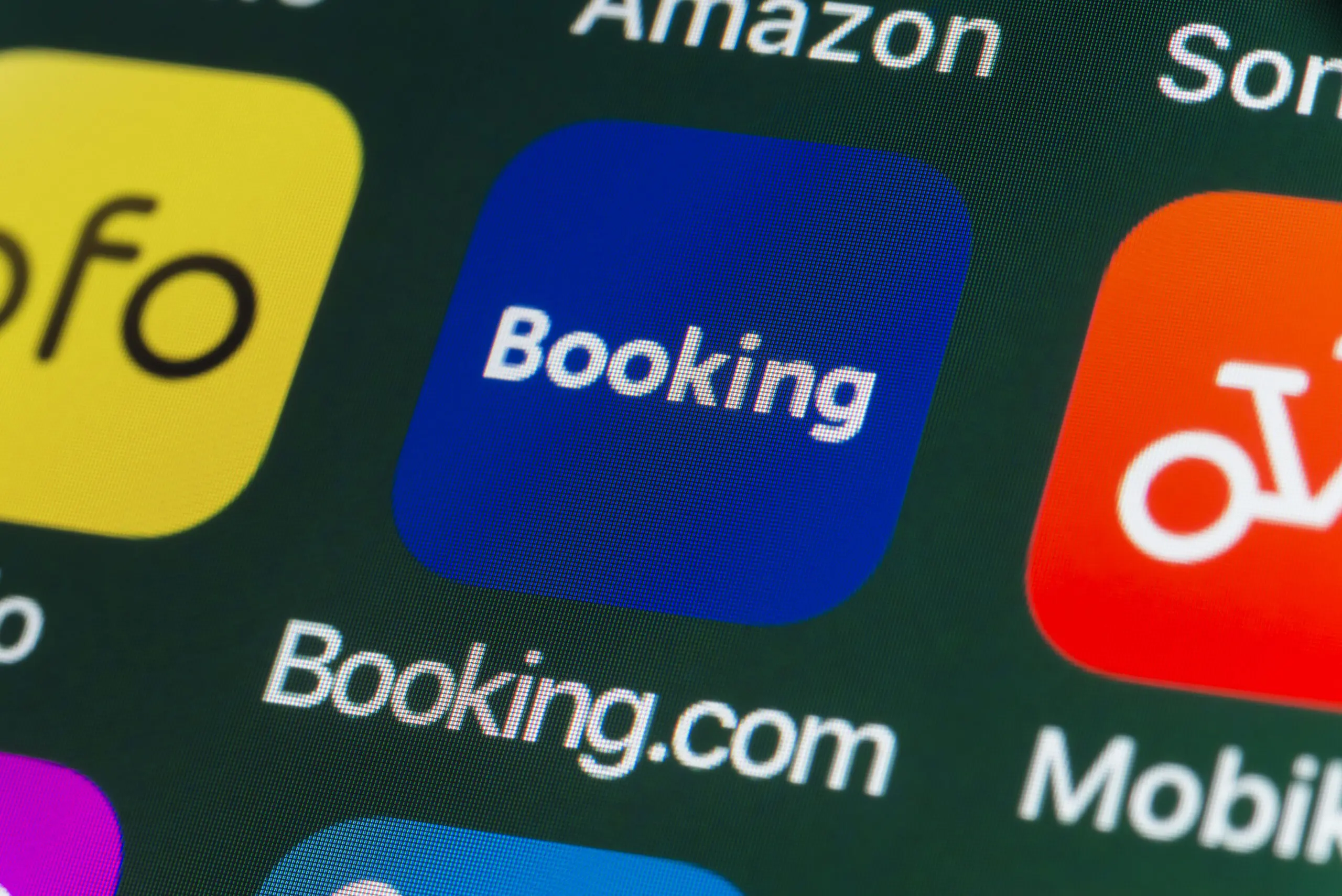
Booking.com has warned customers that hackers have accessed personal data, in the latest security incident to hit the travel platform. The company said someone got access to booking information without permission. This information included names, email addresses, and phone numbers.It also included details about past and upcoming reservations.
It has confirmed that financial information was not accessed. Booking.com has not disclosed how many customers are affected or where they are based, and did not answer specific questions about the scale of the breach.
In emails to affected customers, Booking.com said: “We recently noticed suspicious activity affecting a number of reservations and we immediately took action to contain the issue.”
The company has reset PINs for impacted bookings and is contacting customers it believes are at heightened risk of fraud.
Nikki Stopford, co-founder of Consumer Voice, said:
“Data breaches are no longer isolated incidents – they’re part of a growing pattern that leaves consumers exposed to fraud, identity theft and ongoing scams. If your data has been compromised, taking action quickly can reduce the risk, and you may have a right to compensation even if you haven’t lost money.”
Stay one step ahead of data breaches – read our guide to protecting yourself from the impact of a data breach. Sign up to Consumer Voice for alerts on the latest breaches, practical advice to protect yourself and updates on when you could be eligible for compensation.
What happened in the Booking.com data breach
Booking.com said it detected suspicious activity involving unauthorised access to guests’ booking information.
A Booking.com spokesperson told Consumer Voice: “We recently noticed some suspicious activity involving unauthorised third parties being able to access some of our guests’ booking information, which may include booking details, names, email addresses, and phone numbers and anything that travellers may have shared with the accommodation. Financial information was not accessed from Booking.com’s systems, nor were guests’ physical addresses.”
The company has reset reservation PINs and says it is contacting affected customers directly. It has not confirmed how many people are affected or in which countries.
Why this breach increases the risk of scams
Cybersecurity experts have warned that this type of data is especially valuable to fraudsters because it allows them to target victims with convincing, personalised messages. .These scams are often described as “reservation hijacks” – where criminals contact Booking.com customers pretending to be hotels, using real booking details to make the approach feel legitimate before tricking victims into sending money or handing over payment information.
Luis Corrons, security evangelist at Norton, said: “Reservation hijack scams have been around for some time, but this new data makes them much more dangerous because it gives criminals precision – they can reference the real property, the real travel dates, the right contact details to make the scam feel like routine customer service.”
Previous waves of reservation hijack scams involved criminals hacking individual hotels’ Booking.com accounts to send phishing messages. This breach potentially removes that step, giving fraudsters access to customer details at scale.
Darren Guccione, chief executive of Keeper Security, warned: “When a breach at a platform the scale of Booking.com moves from data exposure to active phishing campaigns within days, it signals something more deliberate than opportunistic.”
This is not the first Booking.com data breach
In 2018, criminals used phishing tactics to steal login details from hotel employees in the UAE, gaining access to the booking data of more than 4,000 customers. Booking.com reported that breach to the Dutch privacy regulator 22 days late and was fined €475,000 (£415,000) as a result.
More recently, the BBC has reported multiple cases of “reservation hijack” scams since 2023, with customers losing money after being targeted using booking details.
What to do if you are a Booking.com customer
Booking.com has said it will contact affected customers directly, but given the uncertainty around the scale of the breach, it is sensible for all customers to take precautions.
Be cautious of any unexpected messages from hotels or accommodation providers. Do not make payments or share card details outside the Booking.com platform. Treat urgent payment requests with suspicion – even if they include real booking details. Contact the hotel directly using official contact details if you are unsure.
Booking.com has confirmed it will never ask customers to share credit card details by email, phone, WhatsApp or text or request a bank transfer outside of the original booking process.
Could you be owed compensation for a data breach
You do not need to have lost money to be eligible for compensation following a data breach. Distress, anxiety and loss of control over your personal data can all form the basis of a claim.
Sign up to Consumer Voice for alerts on the latest data breaches, practical steps to protect yourself and updates on when you could be eligible for compensation.
Don’t miss out on money you’re owed
Every year, millions of people miss out on compensation simply because they didn’t know a claim existed. Register below and we’ll make sure you’re not one of them.
Related claims
-
Legal Aid Agency data breach
If you applied for legal aid between 2007 and 2025, you could be eligible for a group claim. Register your interest to find out.
-
Johnson & Johnson
Used Johnson & Johnson talcum powder and later developed mesothelioma or certain ovarian cancers? Check if you may be eligible for the UK compensation claim.
-
Capita data breach
Capita was fined £14m after a 2023 cyber attack exposed millions of people’s data. Register for updates on the ongoing legal action.