


Are you paying too much at the vets?
Competition watchdog to take more time investigating rising costs, lack of transparency and poor consumer protection
The UK’s competition regulator is investigating claims that vet bills have soared, complaints go unanswered, and pet owners aren’t being told about cheaper options.
You’re not alone if you’ve ever walked out of a vet practice with a much higher bill than expected, or wondered why a medicine costs far more than it does online.
The UK’s competition watchdog launched a formal investigation last year after finding serious concerns that may reduce choice for consumers. It received an unprecedented 56,000 responses – including 45,000 from the general public – to its call for information.
In an update published today (10 June), the Competition and Markets Authority (CMA) says it is extending its investigation timeline to allow more time to review the responses to its consultation on remedies to address the serious concerns it found, including:
- Prices rising by more than 60% since 2016
- Medicines sold at three to four times their purchase price
- Poor complaints handling
- Lack of clear information about pricing, who owns vet practices and what treatment options are available
“Our job remains to get to the bottom of these concerns, and address them where we can,” said Martin Coleman, who leads the CMA’s market inquiry.
A final decision is expected by February 2026.
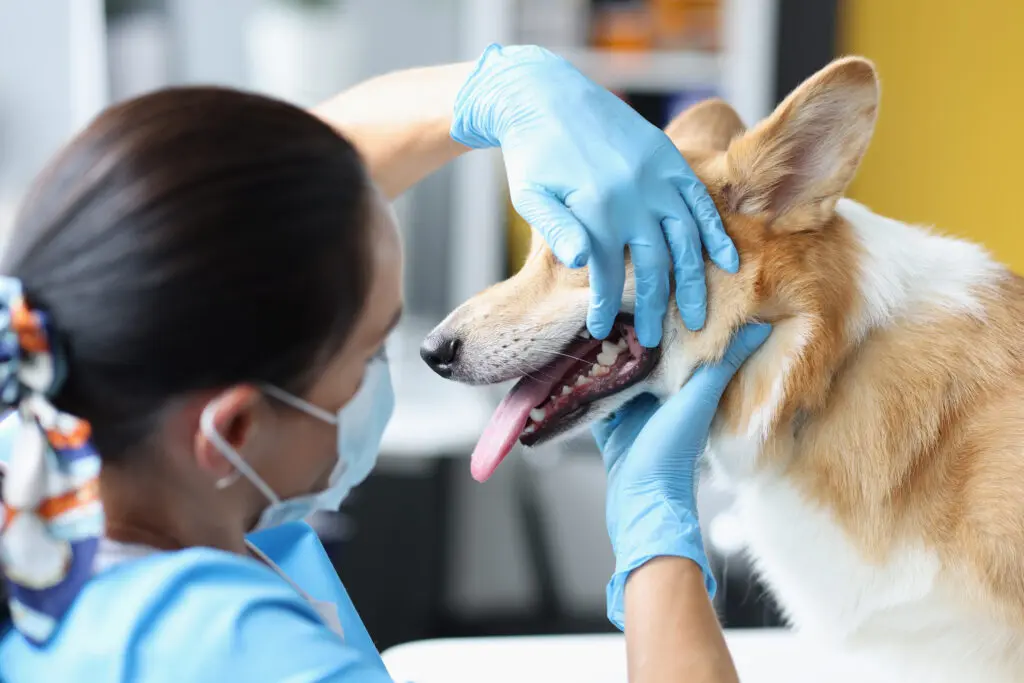
Vets are not like other services – but prices still need scrutiny
The CMA says that while veterinary services involve specialist care and clinical decisions, that doesn’t mean prices and practices shouldn’t be fair and transparent.
“Providing vet services is not like selling mobile phones or insurance,” Coleman said. “But it would be wholly irresponsible to produce remedies without subjecting the possibilities to vigorous debate and discussion.”
Over 500 people and organisations responded to the CMA’s consultation — including independent vets, pet owners, and consumer groups.
What consumer groups are saying
Consumer organisation Which? urged the CMA to act decisively.
“The evidence… leaves us with little doubt that a comprehensive package of interventions is needed in the veterinary services market to improve competition and to deliver better outcomes for consumers.”
Many of the public responses called out a lack of transparency around pricing, confusion over who owns vet practices, and not being told about cheaper options, such as buying medicines online.
In some cases, buying online could save pet owners up to 50% or more on certain medicines.
What vets are saying
The CMA says it received a mix of views from vets – many supporting more transparency and better regulation, especially when practices are owned by non-vets or big corporations.
However, smaller vet practices raised concerns about how new rules might affect them. Common themes included:
- Practical challenges: Will reforms designed for human healthcare work in animal care?
- Costs and red tape: Will new rules hurt smaller or rural clinics already under pressure?
- Impact on business models: If more people buy medicines online, how will that affect practices that rely on selling them to stay afloat?
“40% of first opinion practices are small or medium-sized businesses – some of them very small indeed,” Coleman said.
“My father ran a small business. I understand the pressures – no HR department, no finance team, it was all him.”
Should transparency come at the cost of trust?
Some vets worry that giving consumers too much information might damage the relationship between vet and pet owner.
But the CMA says it’s important that people can make informed choices – especially when the costs can add up over many years.
“Should consumers not be made aware of their options to make their own choices?” Coleman asked.
What happens next?
The CMA is now extending its timetable to consider all the feedback it’s received. Its provisional decision is expected in September 2025, with a final outcome by February 2026.
“Delivering outcomes as quickly as possible is a key objective,” said Coleman.
“But it’s also important that those outcomes are measured, well-targeted and proportionate.”
He added that this investigation didn’t create the problems – it was launched because so many people, including vets themselves, said the system isn’t working as it should.
Why the CMA is investigating vets
Here’s a quick look at the concerns under investigation:
- Prices for vet services rising 60%+ between 2016 and 2023
- Medicines marked up 3–4 times their original cost
- Confusion over who owns practices, especially those run by big chains
- Pet owners not told about treatment options or cheaper alternatives
- Hard-to-use complaints systems when things go wrong
- Some vet businesses owned by non-vets with no quality regulation
- Lack of visible pricing or treatment breakdowns before agreeing to care
What it means for pet owners
If you’ve ever been unsure whether you were getting the best value – or even what your options were – this investigation is looking directly at those issues.
While no final decisions have been made yet, change could be coming. The CMA says it will aim for reforms that improve consumer choice and fairness without placing unreasonable burdens on small practices.
“Through constructive dialogue, we’ll find the right answers,” said Coleman.
What pet owners can do now
While the CMA’s investigation continues, you don’t have to wait for reforms to start asking more questions and taking control of your options. Here are some practical tips:
Ask for a full cost breakdown
Before agreeing to treatment, ask your vet to explain:
- What’s included in the total cost
- Whether there are cheaper alternatives (e.g. different medications, treatment plans)
- If any non-urgent procedures can be delayed or spaced out
Check if you can buy medicines elsewhere
You may be able to buy prescription medicines online at lower prices. Ask your vet if they can issue a written prescription – they may charge a small fee, but the overall savings can be significant.
Tip: Vets are required to provide a prescription if you ask, unless there’s a clinical reason not to.
Ask about treatment options
If your vet suggests a treatment, feel free to ask:
- Are there alternatives with similar outcomes?
- What’s the likely benefit or success rate?
- Is this essential or optional?
Know who owns your vet practice
Some vet clinics are owned by large companies, which might affect their pricing, policies, and referral pathways. Ask your practice:
- Is this clinic part of a larger group?
- Does the same company own your referral centre or pharmacy?
Being aware of this can help you understand your options and possible incentives behind recommendations.
Raise concerns – and escalate if needed
If you’re unhappy with how a complaint is handled, ask for a copy of the practice’s complaints policy. If it doesn’t resolve the issue, you can escalate to:
- Royal College of Veterinary Surgeons – for professional conduct issues
- Veterinary Client Mediation Service – for unresolved complaints
Arming yourself with information doesn’t mean you don’t trust your vet – it simply helps you play an active role in decisions about your pet’s health and your household budget.
Related claims
-
Apple Pay
Apple sued over Apple Pay practices that allegedly pushed up banking charges for 50 million consumers.
-
Amazon & Apple
Bought a new Apple or Beats product through Amazon in the UK? Find out if you’re included in the compensation claim and what you need to do.
-
Mastercard
You will soon be able to claim up to £70 from Mastercard – even if you have never had one. Register now to stay updated on when to claim.