

Ticket industry in the spotlight following Oasis ticket price surges
UK government to get a ‘grip’ on surge pricing after hundreds of fans complain about inflated prices.
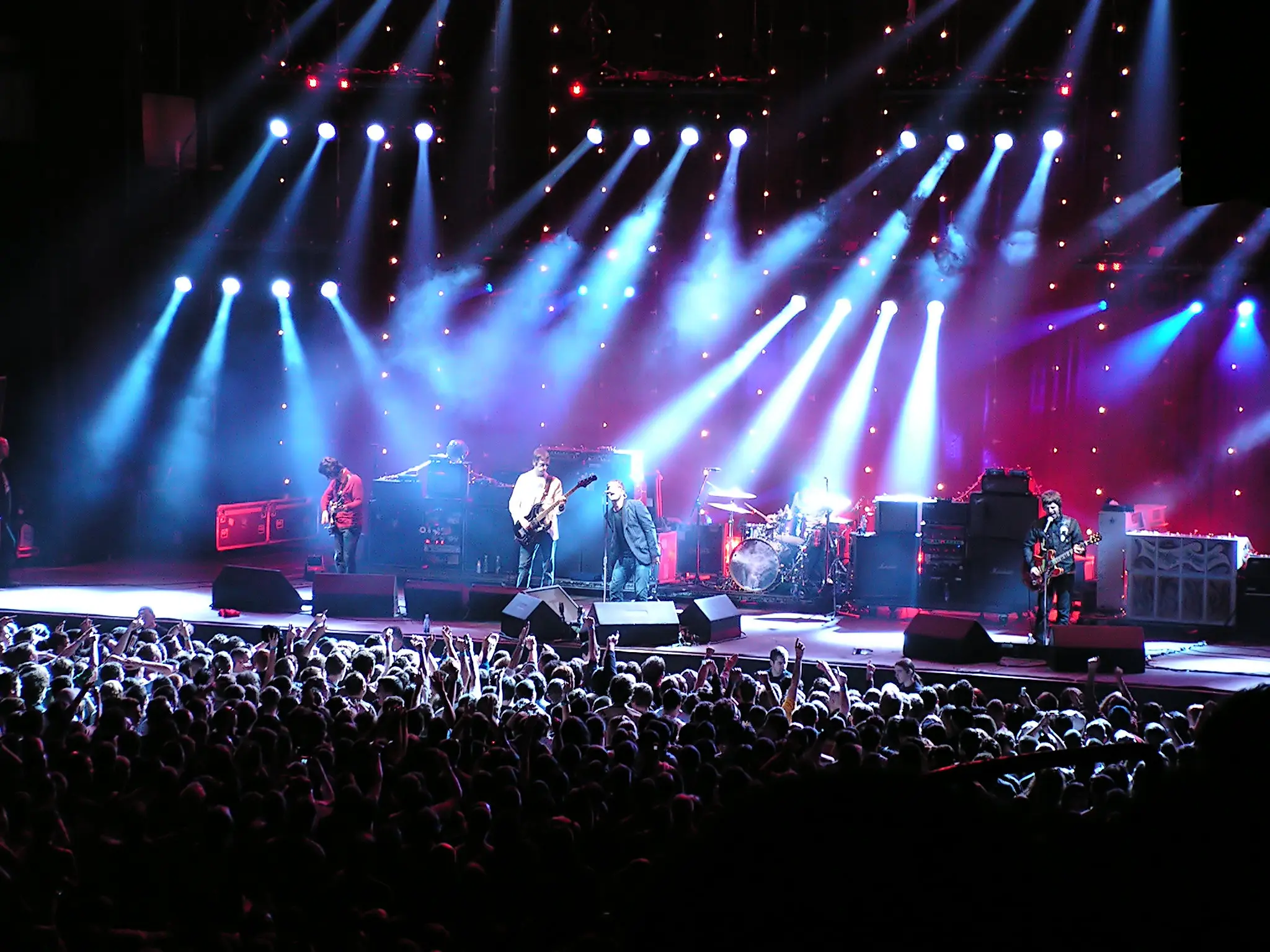
Oasis fans were left shocked at the weekend when standard tickets more than doubled from £148 to £355 on Ticketmaster due to high demand.
The Advertising Standards Authority received 450 complaints about Ticketmaster adverts for the Oasis gigs making ‘misleading claims about availability and pricing.’
The UK government has said it will step in to investigate the controversial practice of dynamic pricing, but is yet to confirm whether competition is a problem in the market.
Mancunian Catherine Riley was left disappointed after the Oasis ticket sale fiasco. She spent six hours in the Ticketmaster queue in an attempt to buy tickets for herself, her niece and her goddaughter.
When she eventually got to the front of the queue she was shocked to see the standing ticket cost had shot up to £458, not the £150 she had been expecting.
Catherine wasn’t given any warning of dynamic pricing, speaking to Consumer Voice, she said:
‘Was it my imagination? No, there had been no mention of “dynamic pricing”, no warning from Ticketmaster or the promoter of this scheme – yet as I put three standing tickets in my basket, the price for them was very clearly three times what I had expected to pay.’
Is dynamic pricing legal?
Dynamic pricing – known also as surge pricing – can change the costs of goods and services as companies see more or less demand.
Ticketmaster defines dynamic pricing as being where the cost of tickets ‘may increase or decrease at any time, based on demand.’
It’s a common pricing practice in the ticketing and travel industries – and is allowed under existing consumer protection laws.
But legal guidance says secondary ticket websites must provide consumers with ‘correct, complete and transparent information before you buy.’ This is to help people make ‘an informed decision’ before making a purchase.
Oasis fans were told the price of the tickets at the point of purchase, but this left many fans under pressure to make snap buying decisions. Questions have been raised about whether consumers were misled about the cost of tickets.
Sylvia Rook, lead officer for fair trading at the Chartered Trading Standards Institute (CTSI), said: ‘In this case, the public were given a price for tickets, and were not informed until they finally got to the front of the queue, that the price had increased.’
‘It is a breach of the Consumer Protection from Unfair Trading Regulations 2008 if a trader misleads consumers regarding the price of goods and services, if that causes the average consumer to take a different ‘transactional decision’.
‘All relevant information about the price should have been given to consumers before they joined the queue,’ she added.
Catherine was pleased that her attempts to buy the costly tickets under pressure failed.
‘It was no matter in the end: I tried and failed for an hour to close a purchase on any spare seats, to no avail,’ she said.
‘I’m glad I wasn’t successful. I’ll stick to listening back on CD like a proper 90s fan.’
There has also been concern about the non-official sellers Viagogo, who are listing resale tickets for thousands of pounds.
Government review of secondary ticket websites
Experiences like that of Catherine’s and other Oasis fans prompted Culture Secretary Lisa Nandy to issue a statement saying it was ‘depressing to see vastly inflated prices excluding ordinary fans.’
She said she wants to end ‘rip-off resales’ and ensure that tickets are sold ‘at fair prices.’ This was echoed by Sir Keir Starmer who later said the Government will get a ‘grip’ on the issue so ‘tickets are available at a price that people can actually afford.’
The government’s already-planned review of ticket sales and consumer protection will include dynamic pricing.
Nandy added: ‘This Government is committed to putting fans back at the heart of music. So we will include issues around the transparency and use of dynamic pricing, including the technology around queuing systems which incentivise it, in our forthcoming consultation on consumer protections for ticket resales.’
Rook said the CTSI ‘will be working with the Government to see how consumers can be better protected with regard to the sale of event tickets.’
Ticketmaster ‘monopoly’ impacting competition
The US Department of Justice is suing Live Nation, the owner of Ticketmaster, for ‘monopolising’ the live events industry.
The antitrust lawsuit – filed in May by the Department of Justice, 30 US states, and the District of Columbia – is seeking the break-up of the alleged monopoly. This came after widespread criticism of the handling of ticket sales for Taylor Swift’s Eras tour.
The US Attorney General Merrick Garland said the company ‘relies on unlawful, anticompetitive conduct to exercise its monopolistic control over the live events industry in the United States at the cost of fans, small promoters and venue operators.’
‘The result is that fans pay more in fees, artists have fewer opportunities to play concerts, smaller promoters get squeezed out, and venues have fewer real choices for ticketing services.’
He added: ‘It is time to break up Live Nation-Ticketmaster.’
The UK government has yet to set out the full scope and pace of its review into the ticket sales market – that’s expected in the Autumn.
A spokesperson at the department for culture, media and sport told Consumer Voice that the scope of the review will be ‘broad’ and will consider a ‘range of possibilities.’
He wouldn’t confirm, at this stage, whether the dominance of a handful of event ticket companies within the market or anti-competitive conduct will be investigated as part of the review.
Do you feel misled by the promotion of ticket sales?
Ticketmaster has said it does not set concert prices and its website states this is down to the ‘event organiser’ who ‘has priced these tickets according to their market value.’
Its website said the prices of platinum and in-demand tickets were set according to their market value. It said these were subject to change.
If you feel you were misled by the promotion of the Oasis tickets and the ticket platforms selling them you are encouraged to report the matter to Trading Standards.
You can do this by calling the Citizens Advice Consumer Helpline on 0808 223 1133 if in England and Wales. In Scotland, contact Advice Direct Scotland on 0808 164 6000, or if in Northern Ireland, call Consumerline on 0300 123 6262.
[Updated 4 September 2024]
European Commission ‘fitness check’
Surge pricing based on demand is also set to be examined by the European Commission amid the ongoing backlash to Oasis concert prices soaring due to the practice.
An acting spokesperson for the European Commission confirmed it is working on a ‘fitness check’ of EU consumer law on digital fairness, which it plans to adopt this autumn.
It is understood that the use of dynamic pricing will be part of this review.
The digital fairness ‘fitness check’ was launched in spring 2022 to ‘establish whether additional legislation or other action is needed in the medium term to ensure equal fairness online and offline,’ according to a statement by the European Commission released that year.
Related claims
-
Google Play Store Claim
Millions of UK Android users could be included in the Google Play Store claim – check what purchases count and whether you could be affected.
-
Sony PlayStation UK claim
Millions of UK gamers could be owed money in the Sony PlayStation claim, which alleges prices were inflated by up to 20% due to a lack of competition.
-
Steam
Valve Corporation – owner of gaming platform Steam – is accused in £656m compensation lawsuit of overcharging 14m UK consumers.