
Nike and Sky adverts banned for using ‘dark pattern’ tactics
The Advertising Standards Authority said both rulings are part of a wider investigation into how ‘online choice architecture’ can harm consumers
Adverts for Nike and Sky have been banned for using so-called ‘dark pattern’ tactics designed to lead consumers to unintentionally spend money.
Footwear giant Nike advertised a shoe at a low price, causing consumers to click through only to find that it was for a children’s size, while Sky did not make it clear that a free trial for Now TV would automatically renew with a charge unless cancelled.
The Advertising Standards Authority (ASA) said both rulings were part of its wider work investigating ‘online choice architecture’, which has also come under scrutiny by the Competition and Markets Authority.
Concerns around how retailers sell to customers online include price transparency and product information, hidden fees and so-called ‘drip pricing’, as well as fake and misleading reviews.
Alex Neill, co-founder of Consumer Voice, said:
‘While digital design can help us more easily find what we’re shopping for, it can also lead us to making decisions that aren’t in our best interests or harm competition.
‘Whether it’s misleading price reduction claims or scarcity tactics that pressure us into buying quickly, the massive shift towards online markets poses new challenges to the way we buy products and access services.
‘And, what’s more, many of these practices are unlikely to comply with the law.’
Earlier this month, Google lost its final EU court appeal over abusing its search engine dominance to unfairly promote its own comparison shopping service.
Nike advert misleading
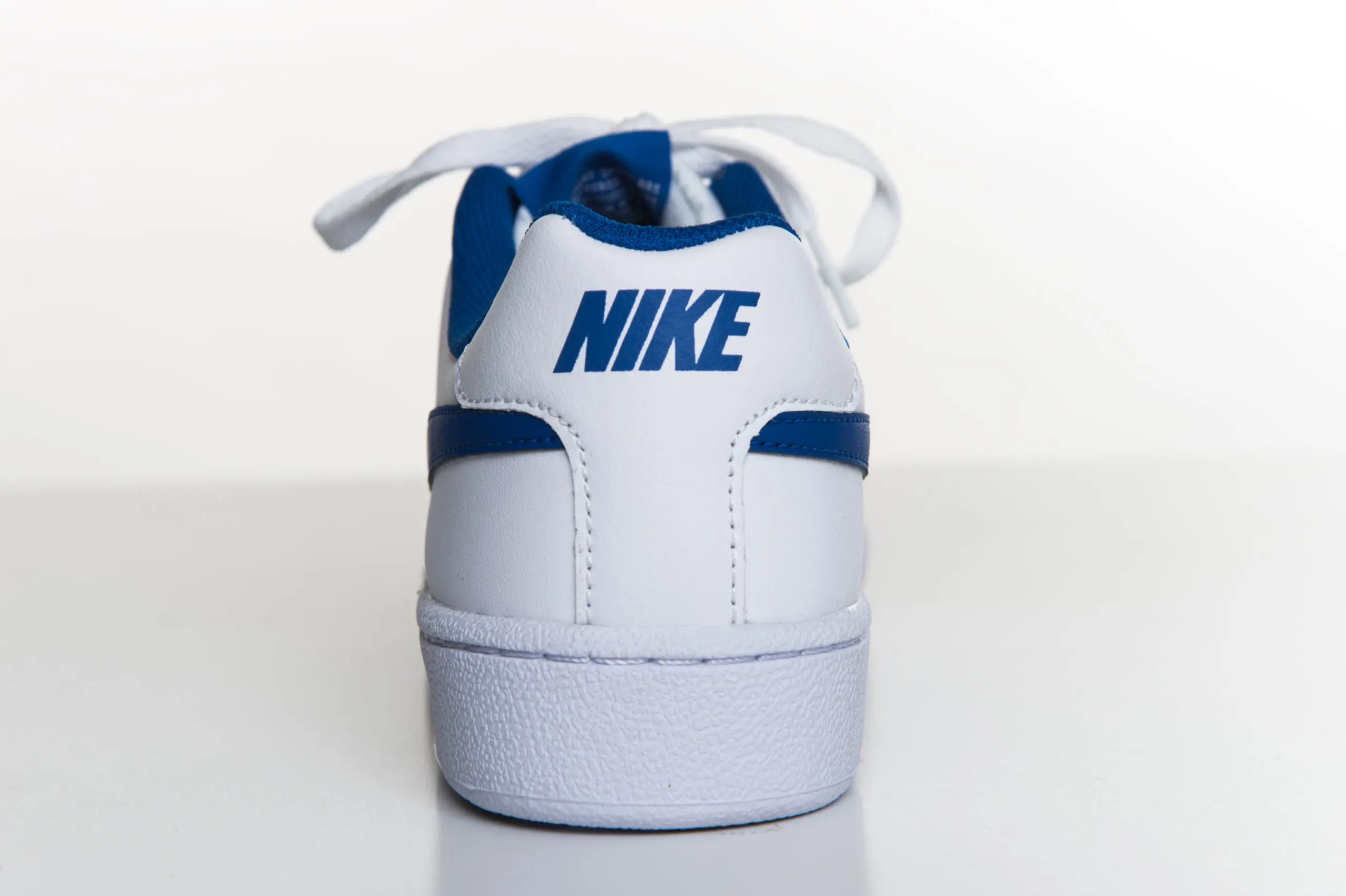
Nike’s ad, which appeared on The Sole Supplier’s X account in December, featured an image of a pair of trainers and the caption ‘Now just £26 at Nike!’, followed by exploding head and black heart emojis.
The ASA said there was nothing to indicate the trainers were intended for older children and limited to a UK size 36, and investigated the ad over concerns it misled shoppers.
Nike said the ad was created and published by The Sole Supplier without any input or oversight from it, but it did not believe it was misleading. Nike added that a reasonable consumer would assume there would be some limitation on the item, such as the availability of sizes.
The ASA noted there was nothing in the ad to indicate to consumers the trainers were intended for older children or that they were available in limited adult sizing, while the ‘Now just £26’ caption alongside the exploding head emoji reinforced the impression that they were intended for adults.
The ASA said: ‘We considered the text and emoji implied that the advertised price was a significant discount against the usual selling price of the trainers.
‘We therefore considered that the consumer would click through to the website and expect to be able to purchase a pair of adult trainers at the advertised price.’
Sky’s auto-renewal trap
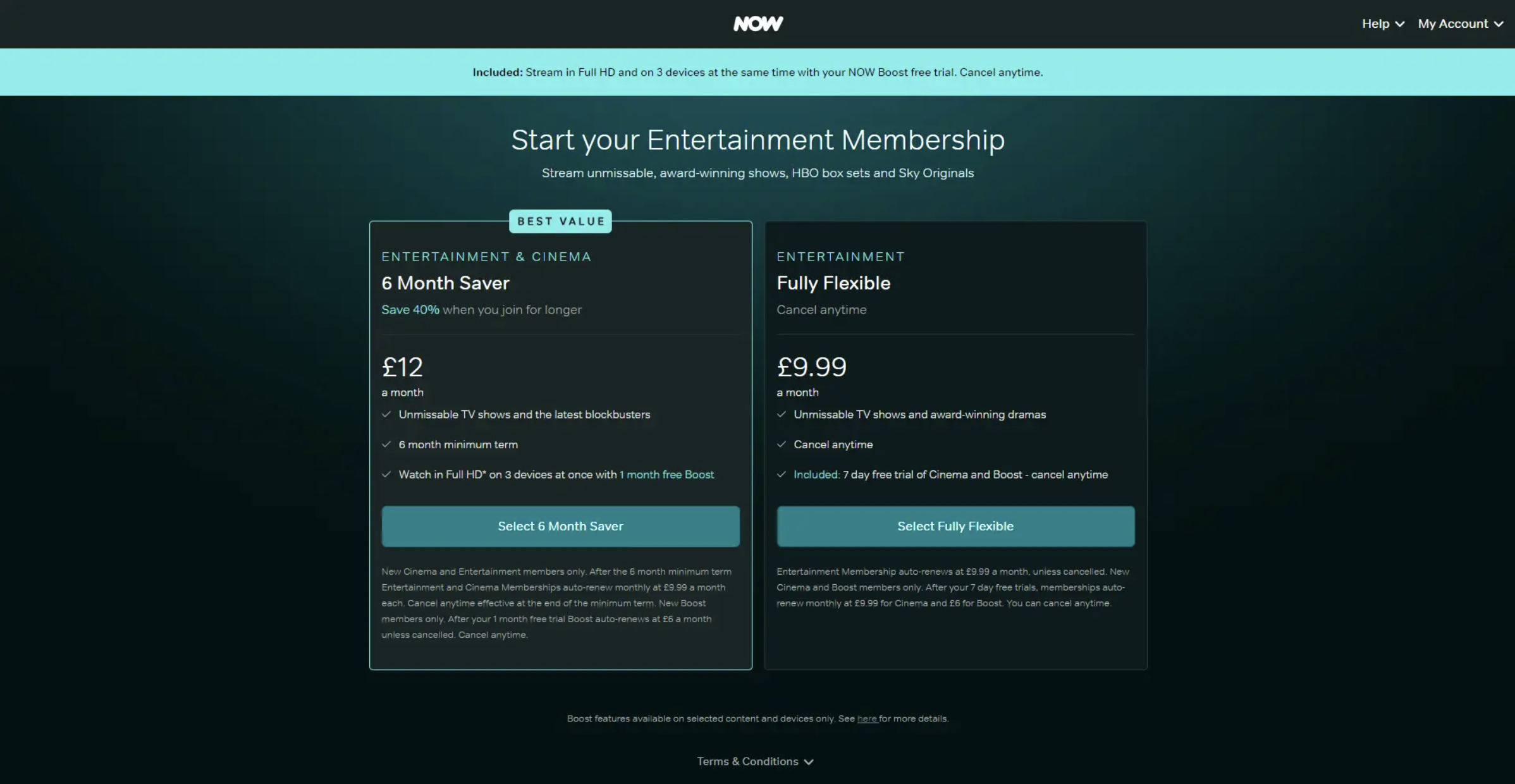
A website for Now TV in December directed consumers to options for buying a subscription, which the ASA investigated over concerns free trials were automatically added to the basket and would auto-renew at a monthly charge unless cancelled.
Sky UK, trading as Now, said a consumer who had selected the membership option would be fully informed they were also adding Cinema and Boost free trials to their basket, and they would auto-renew for a fee after the free trials ended.
The ASA said it understood each free trial would automatically renew at a monthly charge unless they were cancelled within the free trial period.
It acknowledged those conditions were stated at the bottom of the two boxes detailing each of the streaming packages, but said they were in a smaller font and a less prominent colour, and away from the references to the free trials and below the button to proceed, increasing the likelihood that consumers would miss the information.
The ASA concluded: ‘Because the text outlining the significant conditions of the free trials was not clear in either size or clarity of font and did not immediately follow the reference to the free trials, we concluded that the ad was misleading.’
A spokeswoman for Now said: ‘At Now, we are committed to providing our customers with a personalised viewing experience. While we believe that the choice ultimately rests with the consumer, we respect the ASA’s decision and will implement necessary changes to our sales process.
‘Starting this week, we will trial a new customer membership self-select check-out process to better understand what our customers need.’
Take action on sneaky online sales tactics
Countdown clocks, scarcity claims and eye-catching discount offers are common practices used by businesses to put pressure on us to buy.
When designed fairly they can alert us to genuine special offers or give us helpful information about available products, but they can also mislead or pressurise us. When they do this, they are likely to be illegal.
Here are a few of the common tactics to watch out for in marketing emails, search and display adverts, home page headlines and website pop-ups:
- Countdown clocks – these indicate when a sale or special deal will finish. These are fake and misleading promotions if the sales price rolls on beyond the advertised end point.
- Checkout timers – these give you a specific amount of time to complete your purchase. This is misleading if the timer starts again when the web page is refreshed or re-start immediately when the time runs out.
- Scarcity claims – these alert us to low stock levels. These are misleading if the business actually has plenty of stock availability.
- Price reduction claims – these are claims that emphasise the discount or special offer by referring to a higher comparison price. These are misleading if the price is compared to a price that no longer reflects the item’s usual price.
The UK’s competition and consumer authority is investigating how digital design can harm competition and consumers. You can report any sneaky tactics you’ve experienced via its Online Rip-Off Tip-off website.
Related claims
-
Apple Pay
Apple sued over Apple Pay practices that allegedly pushed up banking charges for 50 million consumers.
-
Amazon & Apple
Bought a new Apple or Beats product through Amazon in the UK? Find out if you’re included in the compensation claim and what you need to do.
-
Google Play Store Claim
Millions of UK Android users could be included in the Google Play Store claim – check what purchases count and whether you could be affected.