


Legal regulator to clampdown on rogue ‘no win, no fee’ firms
Consumers warned of risks of ‘no win, no fee’ agreements as regulator launches investigations into firms bending the rules
Law firms handling more than 150,000 claims on behalf of consumers are under investigation over their ‘no win, no fee’ promises.
‘No win, no fee’ can help people pursue claims without the costs. But high profile ‘no win, no fee’ cases that have left some consumers owing legal bills of tens of thousands of pounds have prompted a crackdown from the legal watchdog.
The collapse of ‘no win, no fee’ cavity wall claims firm, SSB Law, left clients being pursued to pay legal costs. A Bradford father-of-four was left with a £46,000 bill for legal costs after the firm went bust.
He is among 1,500 property owners who used Sheffield-based SSB Law to make a ‘no win, no fee’ claim after homes developed damp problems thought to be linked to cavity wall insulation.
The Solicitors Regulatory Authority (SRA), which is currently investigating the fallout from the collapse of SSB, is now inspecting 50 other firms working in this area.
It said it had opened ‘dozens of new investigations’ since the summer of firms representing more than 150,000 claims on behalf of consumers.
Juliet Oliver, Deputy Chief Executive and General Counsel at the SRA said:
‘When it works, no-win no-fee can be an effective way to help the public get the legal help they need in an easy, affordable way.
‘We are, however, increasingly concerned that some firms are failing to properly explain the risks to clients, or working in other ways that aren’t in their clients’ interests.
‘We will protect the public by clamping down on firms involved in any sharp practice.’
The SRA is particularly concerned that ‘no win, no fee’ claims are being marketed to people on the basis that there is ‘no risk’ or prospect of any costs, when there are some cases where people may still end up being liable for costs.
It is focusing on firms taking on claims ‘without merit’ or not managing claims properly.
‘We want to make sure people are equipped with the right information so they enter into such arrangements with their eyes open, knowing what questions to ask, and fully aware of any risks’, added Oliver.
The SRA has published advice to help people find reputable firms and make the right decisions – including signposting sources like Consumer Voice to help you with your decisions and to support you in your claims.
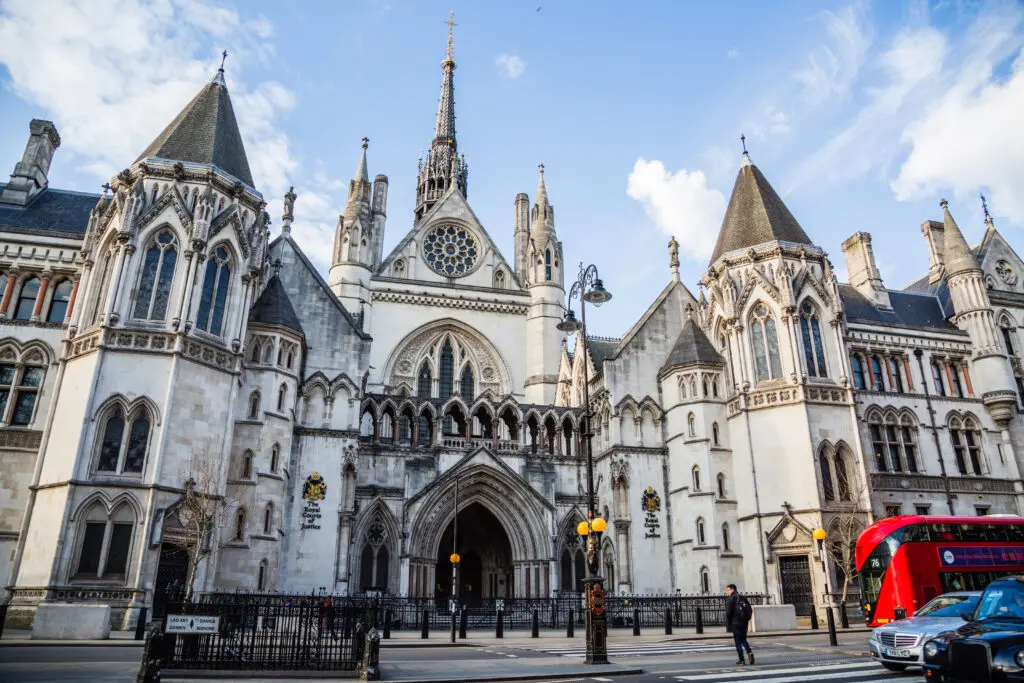
Firms warned about rogue ‘no win, no fee’ practices
The SRA has today issued a warning notice to the legal profession about how they operate ‘no win, no fee’ claims.
While it it said there are benefits of ‘no-win no-fee’ agreements in helping people get access to legal services, the SRA has said it is concerned that some firms are involved in ‘sharp practice’ and failing to properly explain potential risks of ‘no win, no fee’.
It is concerned about firms taking on claims that are highly unlikely to be won or not managing claims properly.
It is also concerned about firms cold-calling or making unsolicited approaches to people – the law firms it regulates are banned from doing this.
Alex Neill, co-founder of Consumer Voice, added: ‘Group claims can often provide the only real route for consumers to get access to justice against rule-breaking companies.
‘So it is concerning that there are disreputable firms using rogue tactics and clobbering unsuspecting consumers with unexpected costs.
‘It’s right the regulator is cracking down on this bad behaviour and it must continue to work with the industry to ensure consumer trust isn’t damaged.’
Some consumers use Claims Management Companies to make a claim for compensation. These are regulated by the Financial Conduct Authority (FCA). We are waiting for comment from the FCA on whether CMCs are also under investigation.
The risks of ‘no win, no fee’
Getting expert legal advice to enforce your rights can be expensive. ‘No win, no fee’ firms can help you take legal action with the help of a lawyer and without having to pay upfront costs.
Your lawyer will take a fee if the claim is successful – this is often taken as a percentage of the compensation won.
Reputable firms should explain what arrangements are in place to protect you from paying costs in the event of a claim being lost. It is usual practice to have in place insurance to cover your costs and the costs of the other side.
Any firm you work with should clearly explain when you might be exposed to the risks of paying costs. For instance, if you decide to stop your claim half-way through the process or break the terms of your contract in another way.
The SRA’s guide to navigating ‘no win, no fee’ agreements gives more information on how these legal contracts work, and how to spot potential issues with law firms and claims management companies working in this area.
Key questions to ask before signing up to ‘no win, no fee’ claims
The SRA is warning consumers to watch out for firms not acting in your best interests. It says to watch out for these key ‘red flags’:
- Cold-calls – the unsolicited approaches made by firms – or pressure tactics
- Unclear or vague information about fees or how the claim will be managed
- Any claim that there is no risk involved or lack of clarity about how costs will be covered if a claim fails
- Failure to answer questions or provide easy-to-understand documentation
It recommends asking these key questions before signing any agreement:
Our guides to using Claims Management Companies and claiming compensation using small claims courts give more advice on pursuing compensation independently and how to protect yourself when using professional services.
Related claims
-
Apple Pay
Apple sued over Apple Pay practices that allegedly pushed up banking charges for 50 million consumers.
-
Apple Pay Claim Team
Apple faces collective legal action over unfair charges borne by UK consumers using Apple Pay. This action is led by a consumer rights campaigner and one of the UK’s top group litigation law firms.
-
Apple Pay Claim FAQs
Find answers to common questions about the Apple Pay consumer claim, including eligibility, opt-out rights, funding, costs, and how collective actions work.