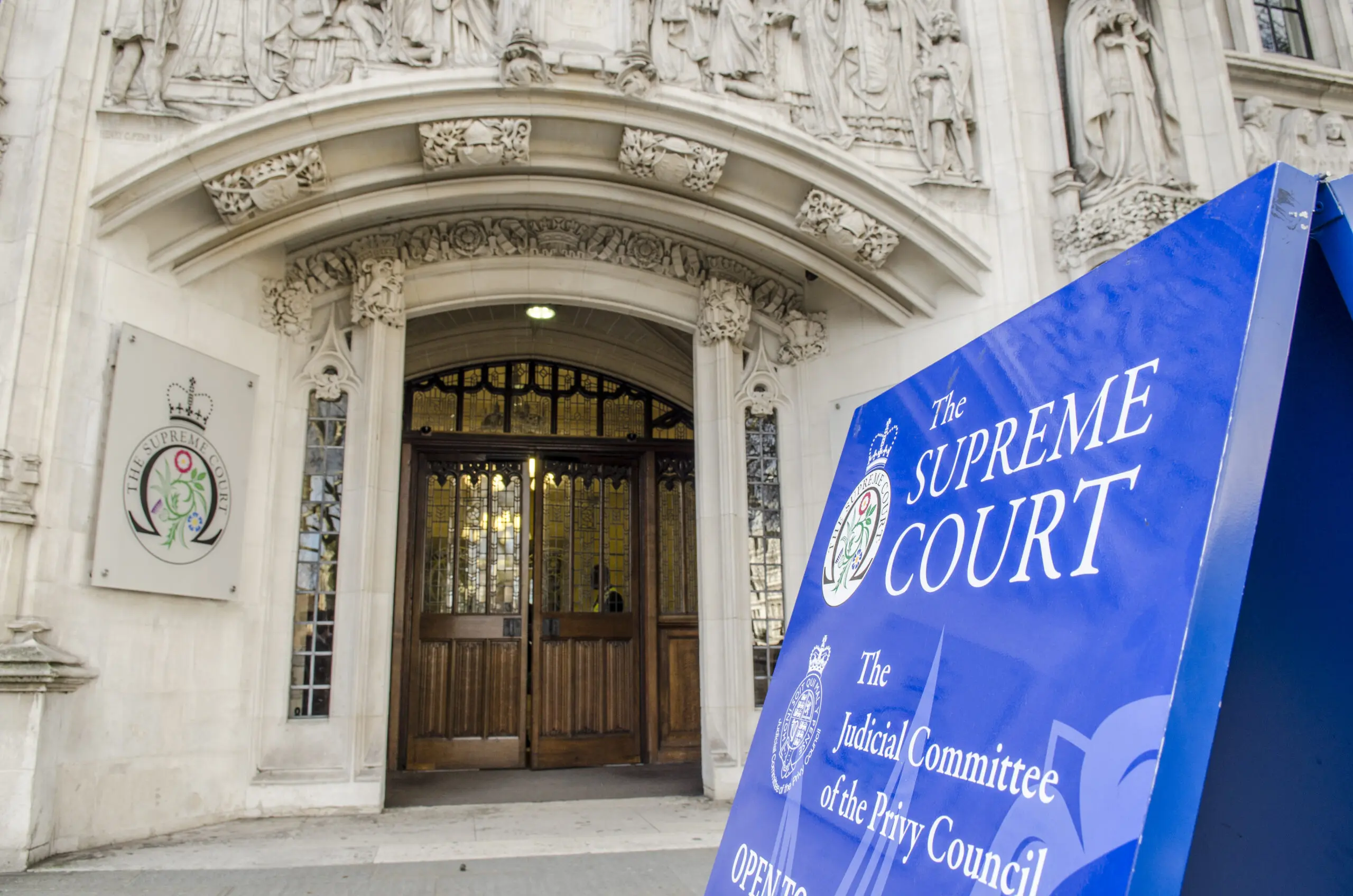
Supreme Court sides with lenders but delivers mixed ruling in car finance case
Consumer Voice urges swift FCA action to ensure redress reaches those mis-sold unfair loans
The Supreme Court has ruled that hidden car finance commissions are not automatically unfair, limiting compensation to cases where commissions were excessive or tied to discretionary arrangements that encouraged higher interest rates.
The Supreme Court has today handed down a definitive judgment in the landmark car finance case brought by Close Brothers and MotoNovo Finance, overturning the Court of Appeal’s earlier ruling which found that it was unlawful for car dealers to receive secret commissions from lenders without fully informing the customer.
But it left the door open for redress in some cases.
Consumer Voice, which had applied to intervene in the case, said the ruling clarifies the legal uncertainties but makes it all the more urgent for the Financial Conduct Authority (FCA) to step in and ensure consumers are treated fairly.
Alex Neill, co-founder of Consumer Voice, said:
“While it’s disappointing that the ruling has significantly narrowed the circumstances under which redress applies, it’s welcome the Supreme Court has recognised some consumers deserve compensation.
“This ruling doesn’t let the lenders off the hook. Billions of pounds are still owed to consumers who had their interest rates unfairly hiked or faced the most excessive charges.
“The Court has made it clear where consumers deserve redress. The financial regulator must now urgently act to introduce a redress scheme that ensures drivers get back what they’re owed. This is a vital opportunity to restore trust and put right wrong-doing by dealers and lenders.
“Our message to consumers is simple: this is about fairness and holding lenders accountable. If you’ve had car finance, you need to check if commission was added and what kind. Use our free tool to take the first step in reclaiming what’s rightfully yours.”
Sign up for updates on how consumers will be compensated. If you’ve had car finance, put yourself back in the driving seat by checking if commission was added and what type. Use our free tool to take the first step in reclaiming what’s rightfully yours.

What is this case about?
This case is about whether customers were treated fairly when they took out car finance deals arranged by dealers who were getting paid commission — often without the customer knowing, or knowing how much.
The three cases being heard together involved customers who were sold car finance from either MotoNovo or Close Brothers. In each case, the dealer only offered one finance deal and was paid a commission for doing so. None of the customers knew the full details at the time.
The customers won in the Court of Appeal — either because the commission counted as a bribe or because the lender had acted unfairly under the Consumer Credit Act. The lenders then appealed to the Supreme Court, which has now given its ruling.
What questions was the Supreme Court deciding?
The Supreme Court was asked to decide some big questions that go to the heart of how car finance deals work, and what rights customers have when dealers and lenders fail to be upfront.
Here’s what the Court had to consider:
What the judgment means for drivers
The Court’s answers to these questions now lets lenders off the hook for secret commission arrangements that didn’t involve excessive or discretionary commission arrangements.
The Supreme Court’s dismissal of earlier rulings from the Court of Appeal to side with lenders in two out of three of the cases. The Supreme Court disagreed that the dealers has a duty of care to put the interests of consumers before their own commercial interests.
However, in one case, it said that the commission paid to the dealer was so large that it could be deemed unfair.
The ruling does not affect the FCA’s power to introduce a formal redress scheme under Section 404, specifically for loans involving discretionary commission arrangements (DCAs) – a practice the regulator banned in 2021 for its clear potential to cause consumer detriment.
Neill said: “The Court has helped clarify the law – but this doesn’t absolve lenders of responsibility. The FCA must now act quickly to set up a redress scheme that gets money back into consumers’ pockets.”
Why this still matters
Consumer Voice’s research shows that commission-based distortions in the car finance market were systemic:
- 75% of customers say they would have behaved differently if they’d known about commissions
- 65% trusted their dealer to find them the best deal
- 56% were offered just one finance option
- Only 21% were even aware that their dealer was paid commission
Neill added: “Even if the Court has drawn a line between some arrangements and others, the underlying issue remains the same. Consumers were left in the dark about the real cost of their finance, and many paid more than they should.”
What drivers should do next
Consumer Voice encourages anyone who took out car finance before January 2021 – or even after if you’re concerned you may have paid excessive commission – to:
- Contact your lender to ask whether your deal involved a commission – use our tool to ensure you’re asking the right questions for you.
- Check if your agreement used a DCA model, where the dealer could adjust the rate
- Ask how much commission was charged
- Sign up to receive updates on any FCA-led redress process
While the FCA was originally expected to provide a response to the judgment in September, it has now said it will confirm whether it will confirm whether it will consult on a redress scheme before the markets open on Monday 4 August.
An FCA spokesperson said:
“We welcome that the Supreme Court has clarified the law and are grateful to the Court for delivering the judgment after the market closed.”
It added that while that while it will take time to digest the judgment that it wants to “bring greater certainty for consumers, firms and investors as quickly as possible.
“We said we would set out within 6 weeks whether we would consult on a redress scheme. But we want to provide clarity as quickly as possible.
“So, we will confirm whether we will consult on a redress scheme before markets open on Monday 4 August.
“Our aims remain to ensure that consumers are fairly compensated and that the motor finance market works well, given around 2 million people rely on it every year to buy a car.
If the FCA decides to propose a redress scheme, Consumer Voice will be pressing for a fair and inclusive scheme, particularly for those affected by the most exploitative commission arrangements.
Car finance compensation
Supreme Court limits car finance compensation to cases with excessive commissions or discretionary commissions that led to unfairly high interest rates. Register to check what to do next about mis-sold car finance.
Stay updated on car finance compensation
Consumer Voice is free to use, independent and we tell consumers when the companies they buy from have broken the law. We help people easily work out whether they’re entitled to compensation and how to claim.
Here are some of our key articles on this car finance mis-selling if you’re interested in reading more:
- Read our guide to car finance mis-selling
- Car finance customers kept in the dark over secret commissions
- Top court stops Consumer Voice intervening in mis-sold car finance appeal
- Car finance dealer trust broken as compensation nears
- Car finance: what consumers want
- Car finance: the incentives dealers don’t want to tell you about
- Supreme Court poised to decide the fate of car finance customers in landmark case
- Supreme Court concludes pivotal hearing on motor finance commissions
- FCA moves closer to possible redress scheme for mis-sold car finance
- Car finance scandal: 23 million UK drivers expect compensation as trust in lenders collapses
- Supreme Court set to decide fate of car finance customers in landmark commission case
Related claims
-
Apple Pay
Apple sued over Apple Pay practices that allegedly pushed up banking charges for 50 million consumers.
-
Apple Pay Claim Team
Apple faces collective legal action over unfair charges borne by UK consumers using Apple Pay. This action is led by a consumer rights campaigner and one of the UK’s top group litigation law firms.
-
Apple Pay Claim FAQs
Find answers to common questions about the Apple Pay consumer claim, including eligibility, opt-out rights, funding, costs, and how collective actions work.