
New laws to protect consumers from cyber attacks take effect
New laws protecting consumers from hacking and cyber attacks require all smart devices to meet minimum-security standards.
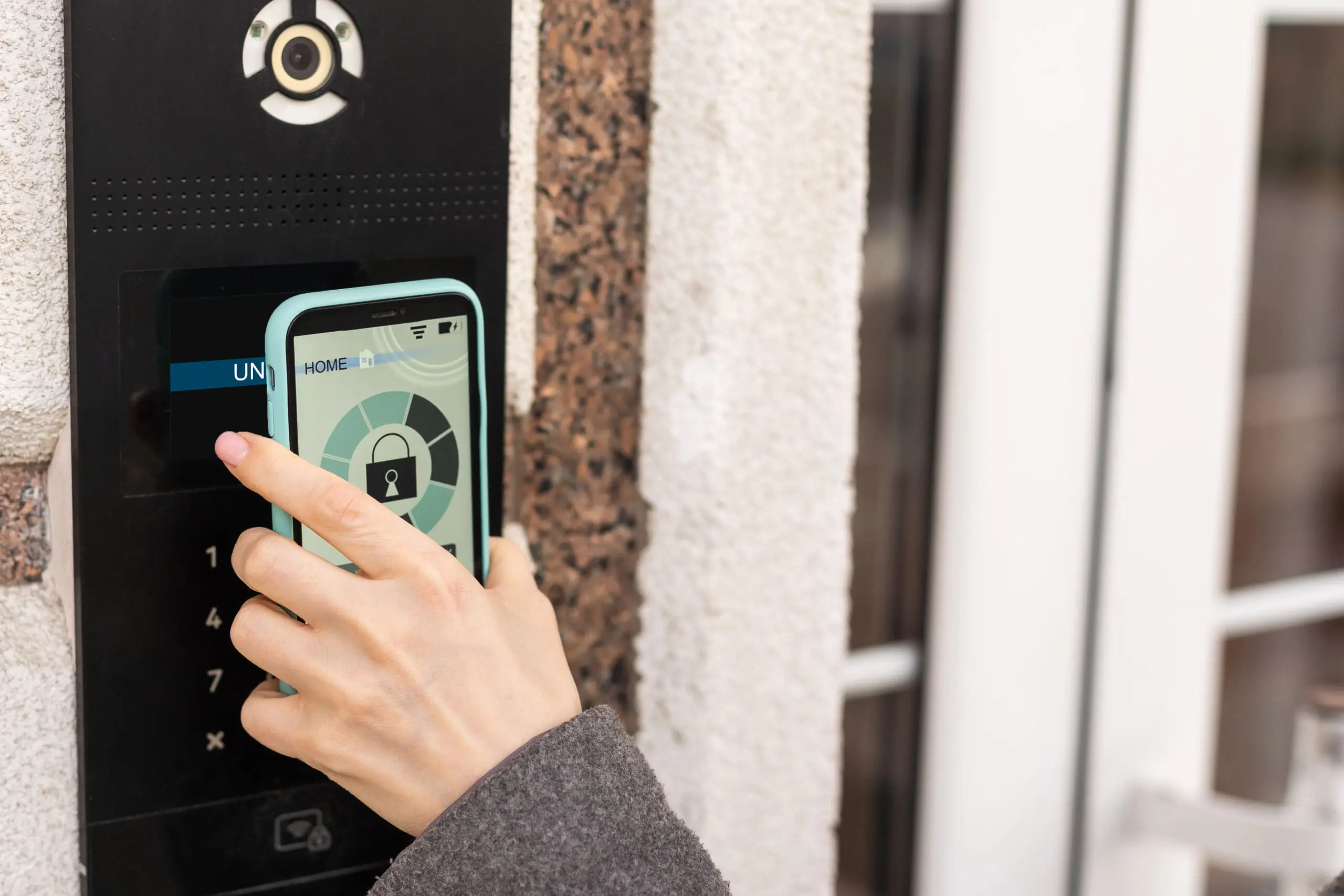
Manufacturers of products including phones, TVs and smart doorbells are now legally required to protect internet-connected devices against access by cyber criminals, the Department for Science, Innovation and Technology said.
Weak default passwords such as “admin” or “12345” will be banned, with users prompted to change any common passwords.
Manufacturers have to publish contact details so bugs and issues can be reported, and be transparent about timings of security updates.
New measures to protect consumers from cyber criminals
The new measures will help give customers confidence in buying and using products, according to the department.
Science and technology minister Viscount Camrose said:
‘As everyday life becomes increasingly dependent on connected devices, the threats generated by the internet multiply and become even greater.
‘From today, consumers will have greater peace of mind that their smart devices are protected from cyber criminals, as we introduce world first laws that will make sure their personal privacy, data and finances are safe.
‘We are committed to making the UK the safest place in the world to be online and these new regulations mark a significant leap towards a more secure digital world.’
The laws are taking effect as part of the product security and telecommunications infrastructure (PSTI) regime, which aims to strengthen the UK’s resilience from cyber crime.
Related claims
-
Google Play Store Claim
Millions of UK Android users could be included in the Google Play Store claim – check what purchases count and whether you could be affected.
-
Capita data breach
Capita was fined £14m after a 2023 cyber attack exposed millions of people’s data. Register for updates on the ongoing legal action.
-
Google Search
Google is accused of anti-competitive behaviour by shutting out search engine competition in £7 billion lawsuit affecting 65 million UK consumers.