

Thousands of energy customers to receive compensation over forced prepayment meters
Regulator cracks down on poor practices as £5.6 million in payouts and £13 million in debt write-offs announced
Thousands of UK households will receive compensation or have their energy debts wiped after an Ofgem investigation revealed widespread failings in how energy suppliers forced customers onto prepayment meters (PPMs).
The announcement follows a year-long review by Ofgem into the forced installation of pay-as-you-go energy meters during the height of the cost-of-living crisis.
The regulator confirmed that eight energy firms – Scottish Power, EDF, E.ON, Utility Warehouse, Good Energy, TruEnergy, Ecotricity, and OVO – will now pay compensation and offer support to affected customers.
More than 40,000 households are due to receive a share of £5.6 million in compensation, with an additional £13 million in energy debt being written off for customers who had a PPM forcibly installed between 1 January 2022 and 31 January 2023.
These actions come on top of £55 million in support already provided to vulnerable consumers in the form of hardship payments and earlier debt write-offs, Ofgem said.
Why customers are being compensated
The scandal surrounding forced PPM installations emerged in 2023, when it was revealed that energy companies had forcibly switched customers – often vulnerable individuals – onto prepayment tariffs.
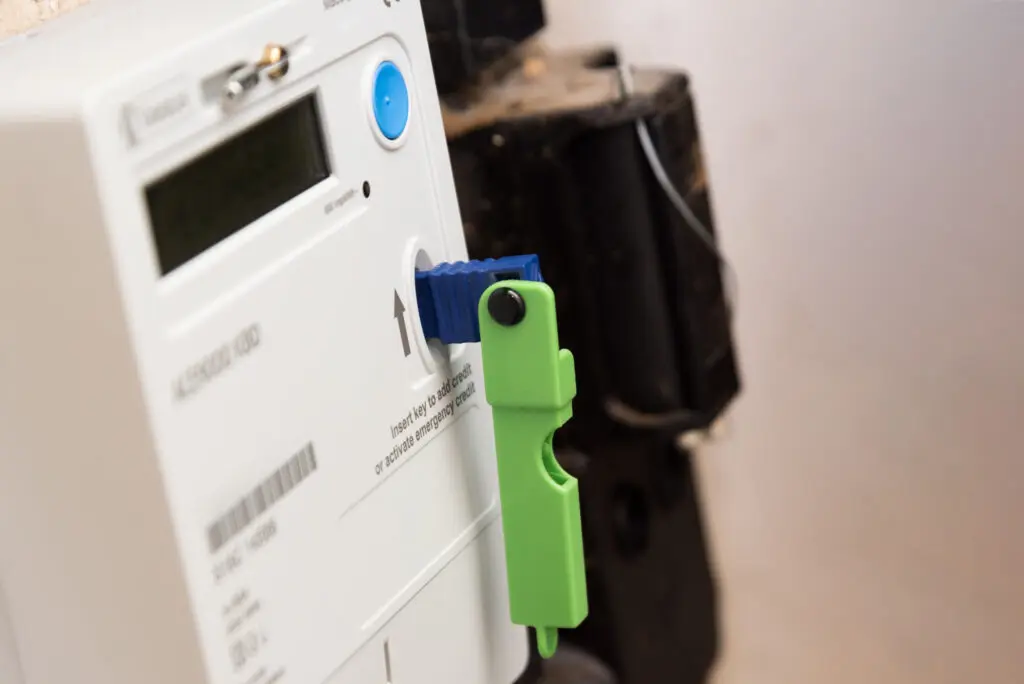
This included entering homes to install smart meters or remotely switching smart meters to prepayment mode, often without adequate checks or communication.
In many cases, these actions left customers without power or the ability to heat their homes when they could not afford to top up their meters.
Ofgem found that in thousands of cases, energy suppliers failed to follow proper procedures, leading to a sweeping review of industry practices.
“One case is one too many,” said Tim Jarvis, Ofgem’s director general of markets. “This has been one of the most detailed reviews in Ofgem’s history… Our priority has been to put things right and ensure we don’t see bad practice repeated.”
Suppliers have now agreed to follow new, stricter guidelines for identifying and supporting vulnerable customers before taking enforcement steps. The revised Code of Practice also ensures more accountability and monitoring of how involuntary PPMs are installed going forward.
Do customers need to take action?
Ofgem has confirmed that affected customers will be contacted directly by their energy suppliers, and no action is needed from consumers to claim compensation or debt relief.
The regulator is urging consumers not to respond to potential scam messages or third parties claiming to process compensation on their behalf.
How much compensation customers could receive
Ofgem has set compensation guidelines to reflect the potential impact the behaviour may have had on energy customers.
| Customer impact | Compensation level |
| Process misalignment, data quality and record keeping | Goodwill payments of £40-60 will be paid by suppliers on a case by case basis. |
| Insufficient debt support | £250 |
| Unfair customer treatment | £250 |
| Vulnerability not considered | £500 |
| Inappropriate installation, switch or use of PPM | £1,000 |
Industry reacts to Ofgem’s investigation
The move has been welcomed, though there are growing concerns about the record £4 billion in energy debt that continues to build across the sector. Energy UK’s CEO, Dhara Vyas, noted that suppliers are walking a tightrope between protecting vulnerable customers and preventing debts from spiralling across the board.
“Involuntary installations were a last – but necessary – resort,” Vyas said. “Bad debt drives up costs for all customers. The industry is keen to work with Ofgem on proposed relief schemes.”
The issue resurfaced earlier this month when Good Energy was fined and forced to pay over £150,000 after a separate investigation found that 2,284 prepayment meter customers were not issued final bills or credit refunds in line with industry rules.
What this means for consumers
If you had a prepayment meter installed between January 2022 and January 2023 without your consent, and believe proper procedures weren’t followed, you should receive a communication from your supplier outlining what support or compensation you are entitled to.
For now, check your bills, ensure contact details with your supplier are up to date, and report any suspicious activity that may relate to compensation scams.
Compensation should be paid directly to your customer account, and you may also have a portion of your debt written off.
Know your rights: What energy suppliers must do before installing a prepayment meter
Ofgem has laid out strict rules to ensure that prepayment meters are only installed as a last resort, especially without customer permission. If your supplier is trying to move you onto a pay-as-you-go meter, here’s what you need to know:
Your supplier must:
If a PPM is installed:
If you’re struggling to top up, you have the right to request:
Ofgem, along with Energy UK and Citizens Advice, has also developed industry-wide commitments to prevent energy disconnections for: Families with children under six; vulnerable individuals who rely on heating for health or wellbeing; anyone in severe financial insecurity
Important: You can still switch suppliers even if you have a prepayment meter—as long as your debt is under £500.
Read our guide for more on how to get money back if you’ve had a power cut and compensation for poor energy supplier customer service.
FAQ: What can I do if my energy supplier tries to force a prepayment meter on me?
Suppliers must follow Ofgem rules, including trying to contact you multiple times and conducting a welfare check. If you’re vulnerable or have children or health conditions at home, they may be prohibited from switching you. Contact your supplier to explain your situation and ask to be added to the Priority Services Register.
FAQ: Can I move my prepayment meter?
Yes, if your meter is hard to access, you can ask your supplier to move it. It’s free if you’re on the Priority Services Register. Do not try to move it yourself – it’s illegal.
FAQ: What if I can’t afford to top up my meter?
Your supplier must help. This includes giving you extra credit, setting up payment plans, or offering hardship funds. You can also seek independent help from Citizens Advice or StepChange Debt Charity.
Related claims
-
Sony PlayStation UK claim
The Tribunal has dismissed the £2bn Sony PlayStation compensation claim affecting millions of UK gamers, but the decision could still be appealed.
-
Apple Pay
Apple sued over Apple Pay practices that allegedly pushed up banking charges for 50 million consumers.
-
Apple Pay Claim Team
Apple faces collective legal action over unfair charges borne by UK consumers using Apple Pay. This action is led by a consumer rights campaigner and one of the UK’s top group litigation law firms.